Stages of pregnancy


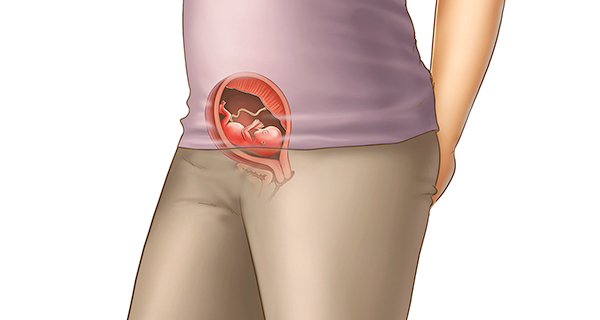
Week 36 Pregnancy
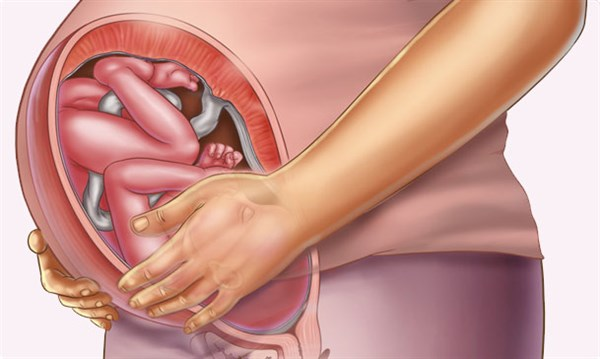
Don't be surprised if you wake up one morning and it's as if blinkers have been taken off your eyes. There's dust and dirt everywhere and you won't understand how it's not been obvious to you before. Welcome to the nesting phase. If you've been feeling a little jaded, you'll be amazed by the renewed sense of energy you have. You want to organise and sort, go through boxes and toss stuff out. After the baby is born, you'll be glad of having done a big clean-up. In the first few weeks after their birth you'll find it impossible to do any housework. Bear in mind though, some pregnant women get a little frenzied and place a lot of pressure on themselves and their partner. Try to focus on one job at a time and finish it before you move on to the next one. If family or friends offer to help, say yes. This can be a time of real connection and building excitement.
What’s changing in your body
- Sleeping may seem like a far off dream this week. It's become impossible to lie on your tummy and lying on your back is not advisable, so sleeping on your side becomes the only option. The problem is, you've only got two sides to alternate between so you may end up feeling a bit achy around your hips and thighs. Surround yourself with comfortable, supportive pillows in your bed and consider getting a padded under blanket to use under your bed sheet.
- Get used to having to go to the toilet a few times a night. Your uterus is becoming so big that your bladder doesn't need to fill with much urine to make you feel you simply have to go. Avoid changing too quickly from a lying position to being upright and let your blood pressure adjust. Leave the bathroom light on at night to guide your way. At week 36, clumsiness is a fact of life and you need to make sure you minimise your risks of stumbling over something in the dark.
- Your doctor will be encouraging you to attend prenatal appointments weekly from now until you have the baby. The usual range of checks will be made including your urine, blood pressure, weight, and uterine size. Your fundal height will be measured to see if it matches with your dates. If there is any discrepancy, you may be sent for an ultrasound to check the size of the baby, the amount of amniotic fluid and the placental size.
- In those quieter moments of your day, pull your top up and look at the movement going on in your tummy. You'll be able to see the outline of a little foot, an elbow or a knee. If you gently poke with your fingers in response to those movements, you'll find your baby prods back. Get your partner involved in these little moments so he feels involved in your pregnancy too. If he talks to the baby though your abdominal wall, the baby is likely to move in response to his voice.
- Your pelvic bones will be separating and loosening in these last few weeks which can mean you feel sore and achy. You'll find yourself subconsciously placing your hands on your lower back, your tummy and your hips and even grimacing. Warm showers, massage, rest and just being kind to yourself are all good ways to get through these final weeks.
- If your baby's head engages in your pelvis this week, you'll find you're able to breathe more easily. Your lungs and diaphragm can actually expand a little more and move into their normal positions. Well, almost.
How your emotions are affected
-
You are getting seriously close to having your baby now but it may seem your due date will never arrive. The last month of pregnancy can seem endless, particularly for women who are genuinely uncomfortable and who've simply had enough of being pregnant.
- Your maternity leave could start this week which means you having to make a mental shift away from work. This may come as an absolute relief or cause you to feel sad, especially if you've enjoyed your working life and found it fulfilling. Becoming a parent means a change from how we view ourselves and where we now fit in with the world. Give yourself time to adjust.




.jpg?rev=fc8489f2fbbc4daeab9e6157dd3967f3)